Initiating a recycling program at home represents a significant contribution to Singapore’s sustainability initiatives. By adhering to proper recycling practices, you can help minimize the volume of waste directed to landfills and support the nation’s objective of achieving zero waste. Below are guidelines on how to commence your recycling efforts, utilizing the tools and resources provided in Singapore.
- Gain an Understanding of Recyclable Materials
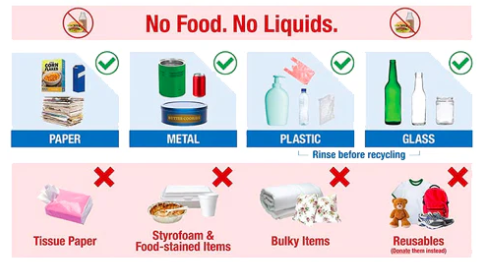
In Singapore, the National Environment Agency (NEA) provides blue recycling bins designated for commingled recycling, which allows individuals to deposit recyclables without the need for sorting by material type. These bins accept a diverse range of materials, including:
- Paper: Newspapers, magazines, and cardboard
- Plastic: Bottles and containers
- Glass: Bottles and jars
- Metal: Aluminum cans and tin containers
It is important to note that certain items, such as food waste, Styrofoam, and soiled containers, are not recyclable and must be disposed of as general waste. For comprehensive information on recyclable materials, please consult the NEA’s guidelines on recycling and items that cannot be recycled.
2. Utilizing the NEA Blue Box at Home
In 2023, the National Environment Agency (NEA) introduced the Bloobox, an efficient blue recycling container distributed to households throughout Singapore. The Bloobox facilitates the collection of recyclables by allowing residents to store items in one centralized location without the need for prior sorting. Once the Bloobox reaches capacity, residents can conveniently dispose of its contents into larger blue recycling bins located within their neighborhoods.
3. Make use of the NEA Community Blue Bins.
When your Bloobox reaches capacity, please transfer its contents into the larger NEA blue recycling bins located within your neighborhood. These bins are emptied on a regular schedule, and the materials collected are processed at designated recycling facilities. By utilizing these bins appropriately, you contribute to the efficient processing and reuse of recyclable materials. Thank you for your cooperation.
For additional information regarding the Bloobox, please visit the NEA’s dedicated Bloobox information page. In Housing and Development Board (HDB) estates, commingled blue recycling bins are strategically placed in open areas to ensure accessibility for residents. In private landed estates, each household is provided with a commingled blue recycling bin alongside the standard green refuse bin.
4. Provide Education to Your Household
It is essential for all members of your household to be informed about the items that can be recycled and to comprehend the significance of recycling. We encourage everyone to rinse and dry containers prior to placing them in the Bloobox to prevent contamination.
5. Proper Management of Non-Recyclable Waste
For items that are not recyclable, please utilize the standard waste disposal services offered by your local town council. This includes waste chutes available in HDB blocks and trash collection services for landed properties. Furthermore, many town councils in Singapore provide complimentary bulky item removal services once a month. This service is particularly beneficial for disposing of large items such as old furniture or appliances that cannot be recycled. We recommend verifying the specific details and schedule of this service with your respective town council.
6. Continuous Monitoring and Enhancement
Monitor the amount of waste your household recycles compared to what is disposed of as trash. Over time, strive to minimize non-recyclable waste by selecting products with reduced packaging, reusing items, or choosing products composed of recyclable materials.
The Importance of Home Recycling
Engaging in recycling at home is an effective and impactful method to minimize the volume of waste directed to Singapore’s landfills and incineration facilities. Incorporating recycling into your daily routine not only demonstrates a commitment to environmental sustainability but also serves as a positive model for others within your community. This practice can inspire additional households to embrace sustainable initiatives, thereby fostering a collective effort towards a more sustainable future.
Engage with Your Community
While your home recycling program serves as a solid foundation, remaining informed about local initiatives can significantly enhance your recycling efforts. The National Environmental Agency (NEA) and municipal councils frequently conduct campaigns and offer resources to assist residents in recycling more efficiently. Participation in these programs ensures that your recycling activities are in harmony with the overarching objectives of the community.